321-799-3460

NASA Drains 66-Million-Gallon Reservoir to Upgrade Critical Water System

Southern Delaware Wine, Food and Music Festival in Lewes

A powerful but mostly unseen water system at work during rocket engine tests at NASA’s Stennis Space Center near Bay St. Louis, Mississippi, underwent an upgrade in May.

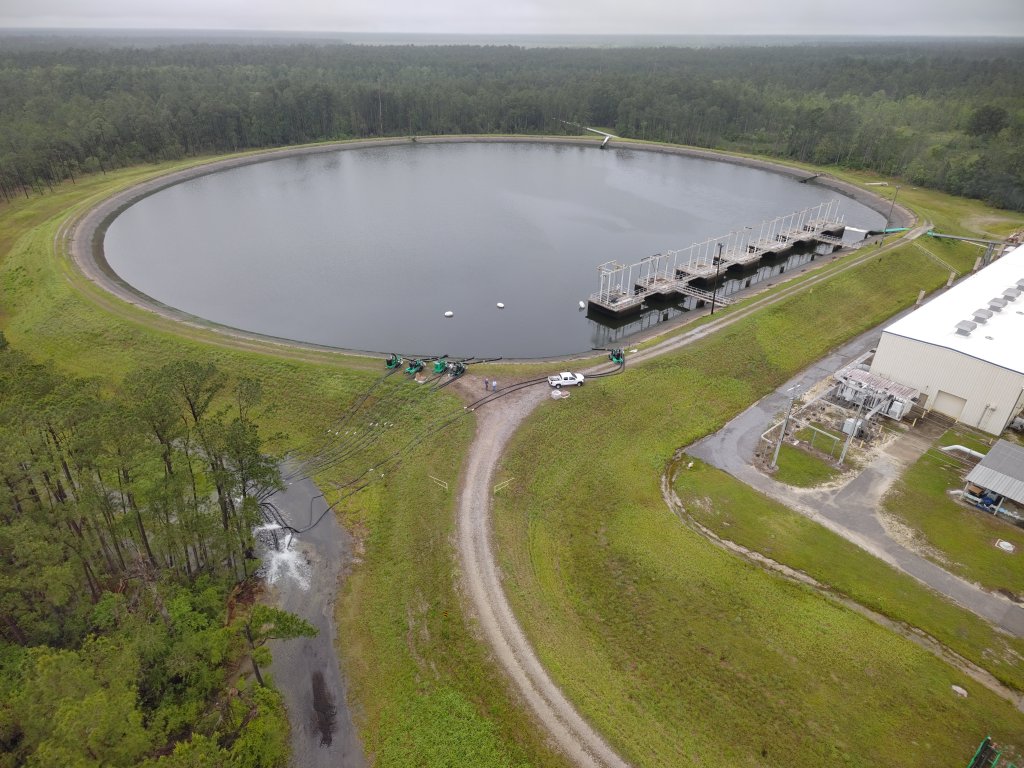
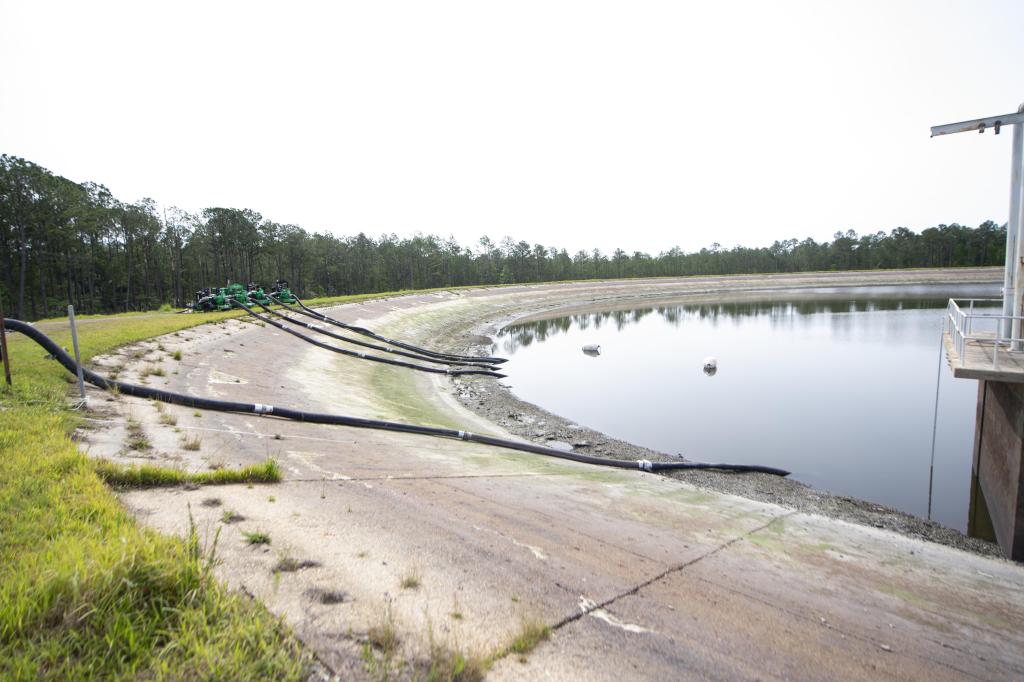
Crews brought the High Pressure Industrial Water Facility’s 66-million-gallon reservoir to its lowest level since construction in the 1960s by pumping out about 40 million gallons of water over three days.

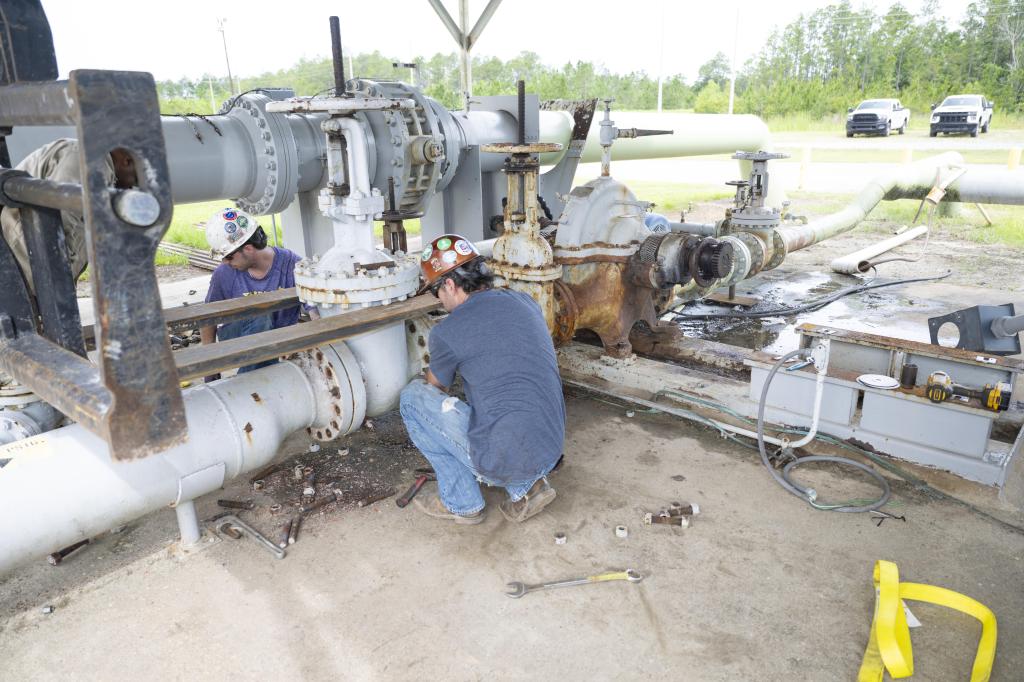
This brought the reservoir, measuring 800 feet in diameter and about 25 feet deep, down to the level needed to replace a 3,000 gallon per minute pump that supplies water for fire suppression to the test complexes.
before
after

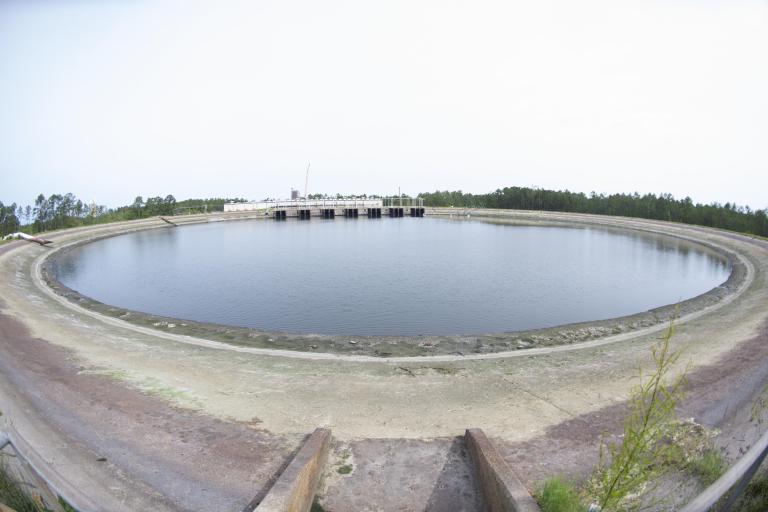
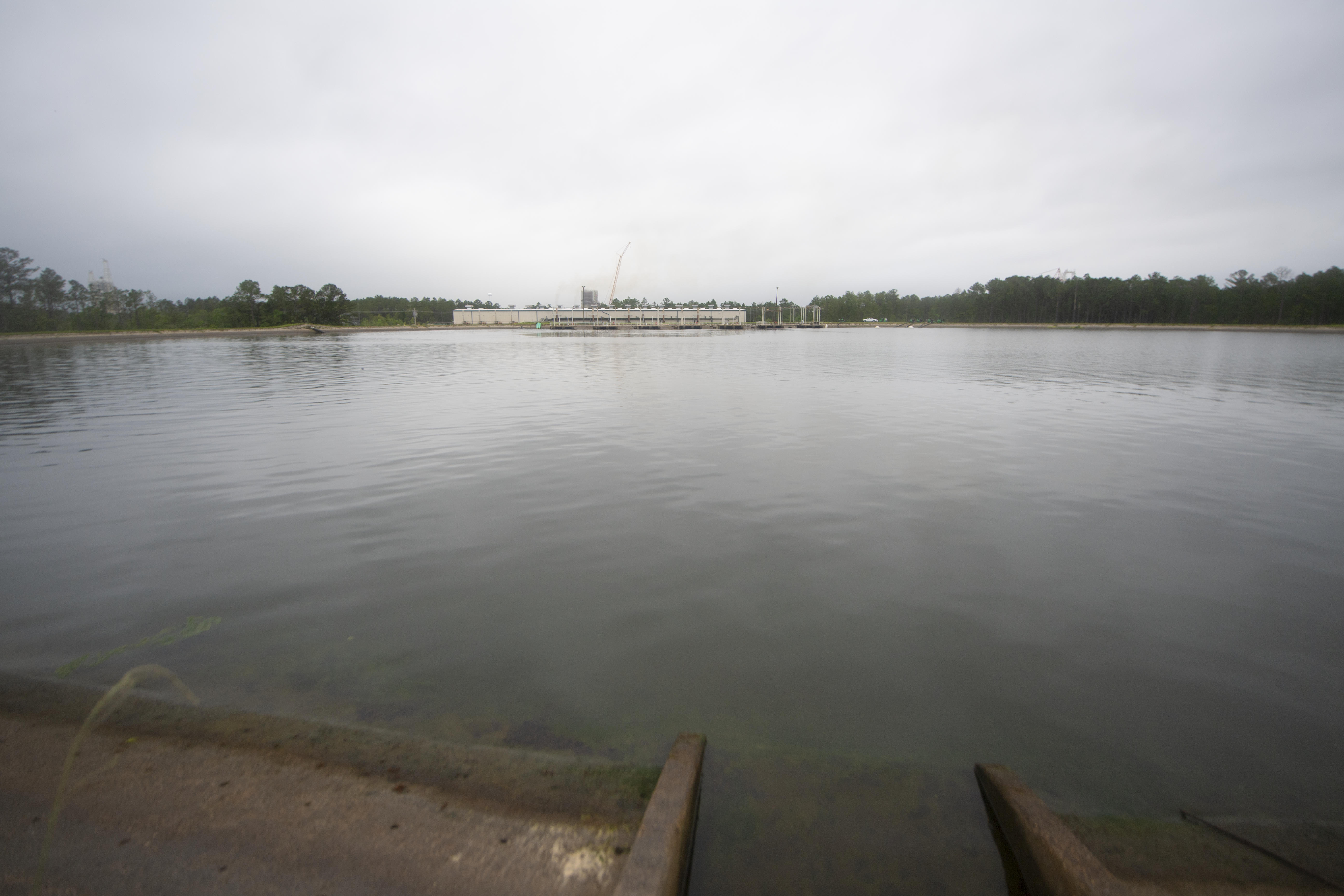
A wide view of the High Pressure Industrial Water Facility reservoir at Stennis Space Center on May 7, filled nearly to capacity as crews begin removing water for facility upgrades.
The High Pressure Industrial Water Facility’s 66-million-gallon reservoir is shown at NASA’s Stennis Space Center on May 7 as work gets underway to remove about 40 million gallons of water to complete upgrades.
NASA/Danny Nowlin

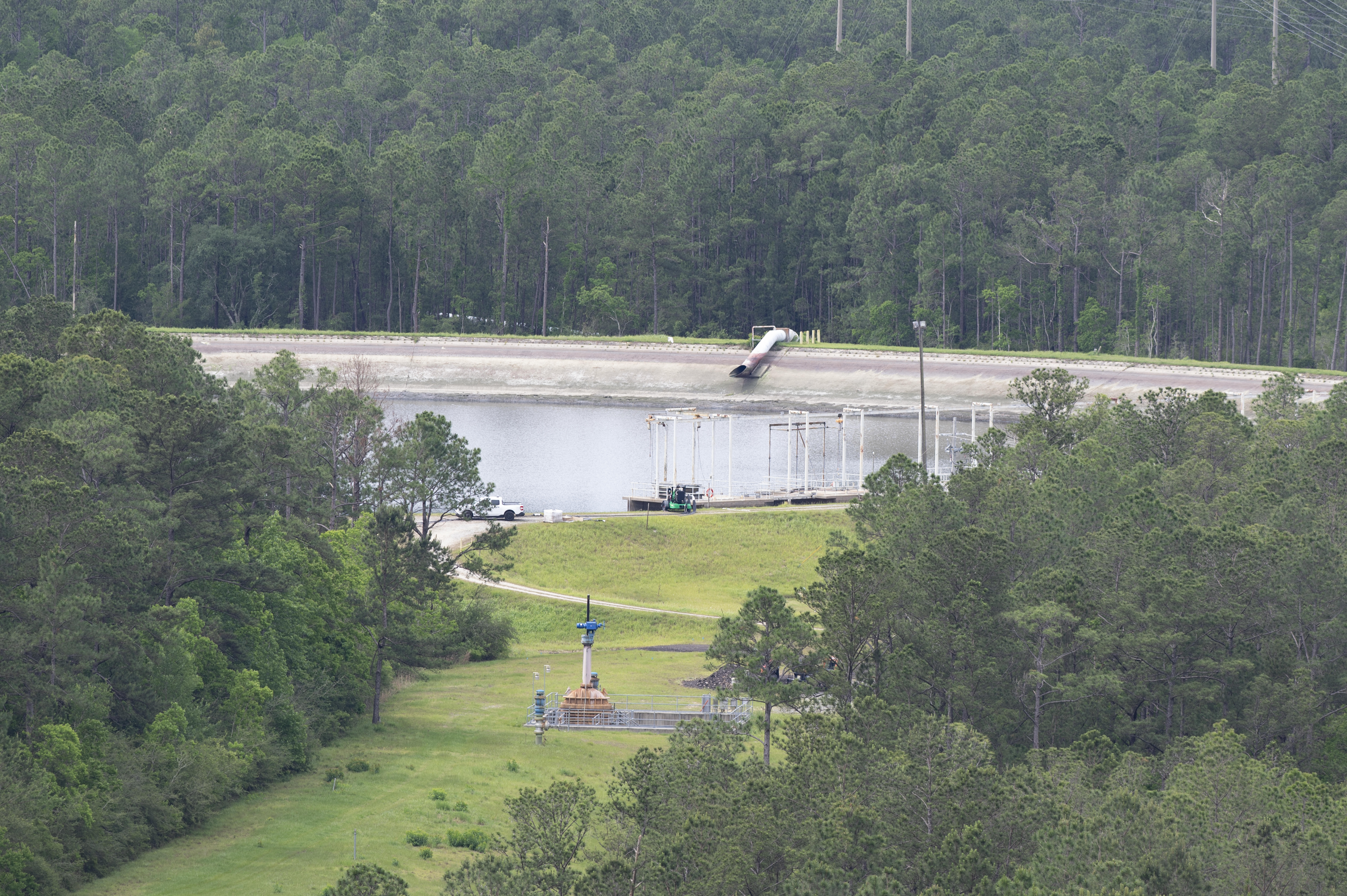
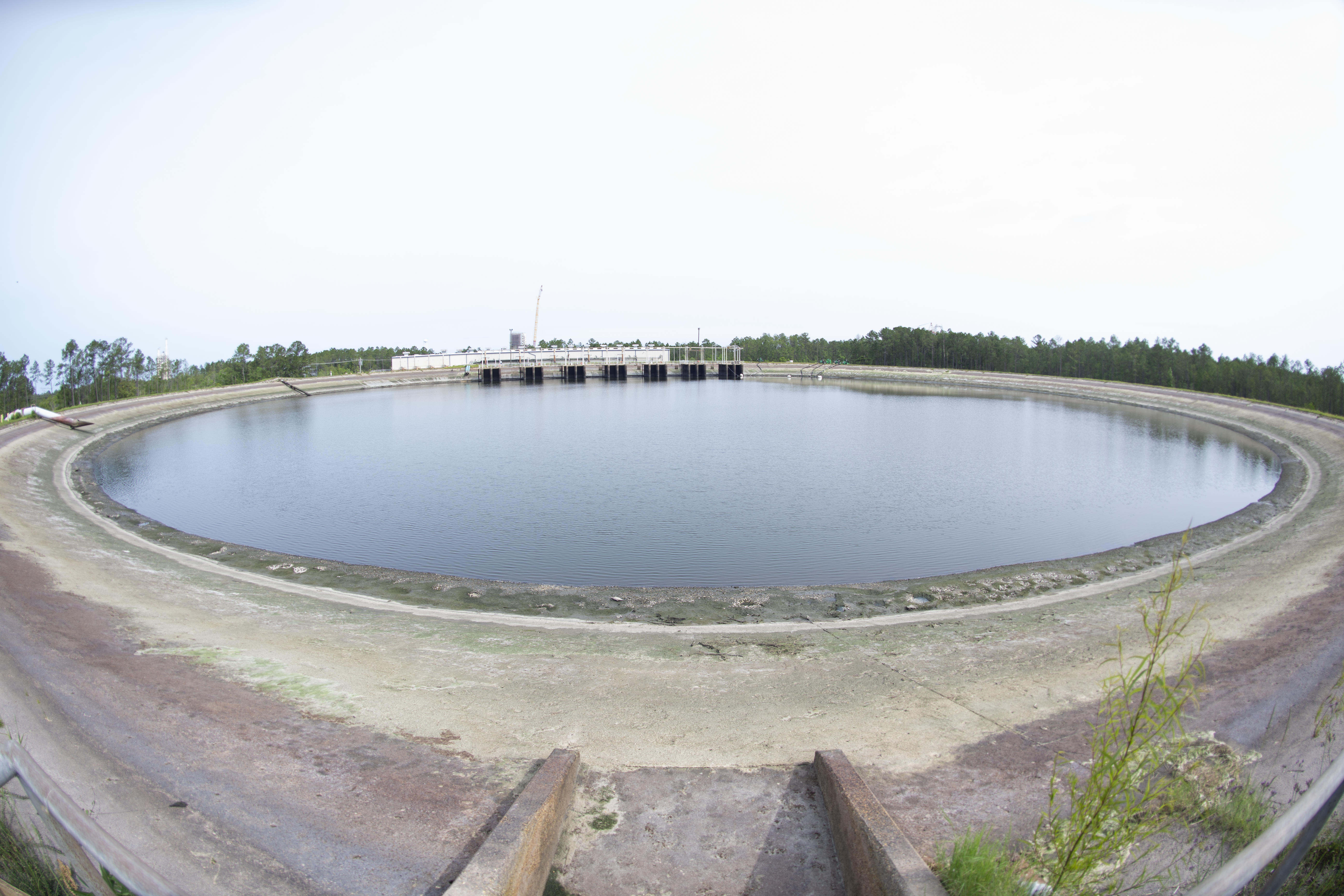
The reservoir at Stennis Space Center on May 11 shown at a dramatically lowered level, exposing large areas of the reservoir floor after 40 million gallons were pumped out.
The reservoir is shown at NASA’s Stennis Space Center on May 11 at its lowest level since construction in the 1960s. Crews lowered the reservoir by pumping out about 40 million gallons over three days to complete upgrades.
NASA/Danny Nowlin

A wide view of the High Pressure Industrial Water Facility reservoir at Stennis Space Center on May 7, filled nearly to capacity as crews begin removing water for facility upgrades.
The High Pressure Industrial Water Facility’s 66-million-gallon reservoir is shown at NASA’s Stennis Space Center on May 7 as work gets underway to remove about 40 million gallons of water to complete upgrades.
NASA/Danny Nowlin
The reservoir at Stennis Space Center on May 11 shown at a dramatically lowered level, exposing large areas of the reservoir floor after 40 million gallons were pumped out.
The reservoir is shown at NASA’s Stennis Space Center on May 11 at its lowest level since construction in the 1960s. Crews lowered the reservoir by pumping out about 40 million gallons over three days to complete upgrades.
NASA/Danny Nowlin

before

after

Before and After

Lowering the Reservoir

May 7, 2026 – May 11, 2026


BEFORE (SSC-20260507-s00393) The High Pressure Industrial Water Facility’s 66-million-gallon reservoir is shown at NASA’s Stennis Space Center on May 7 as work gets underway to remove about 40 million gallons of water to complete upgrades. AFTER (SSC-20260511-s00420) The reservoir is shown at NASA’s Stennis Space Center on May 11 at its lowest level since construction in the 1960s. Crews lowered the reservoir by pumping out about 40 million gallons over three days to complete upgrades.

For a typical RS-25 engine test supporting NASA’s Artemis missions, about five million gallons of water flow from the reservoir to the Fred Haise Test Stand. The water cools the engine exhaust that reaches up to 6,000 degrees Fahrenheit, supplies water to the flame deflector and helps with sound suppression during a test.

A hot fire test produces critical data to ensure an engine is safe and reliable.

before
after

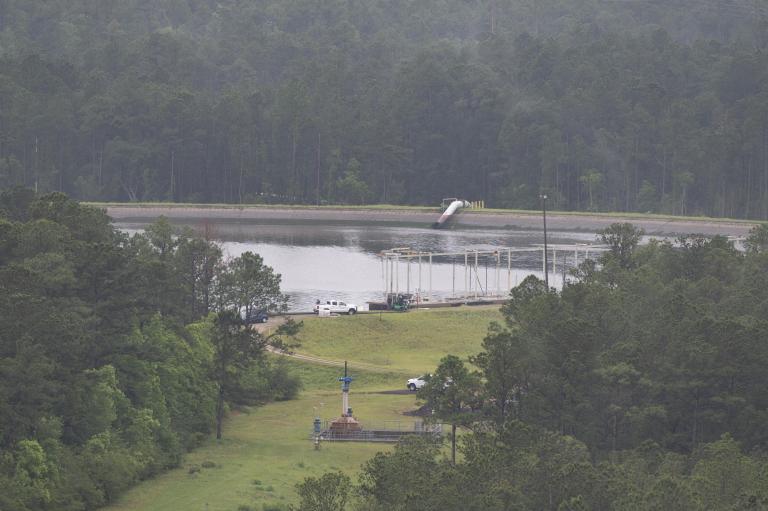
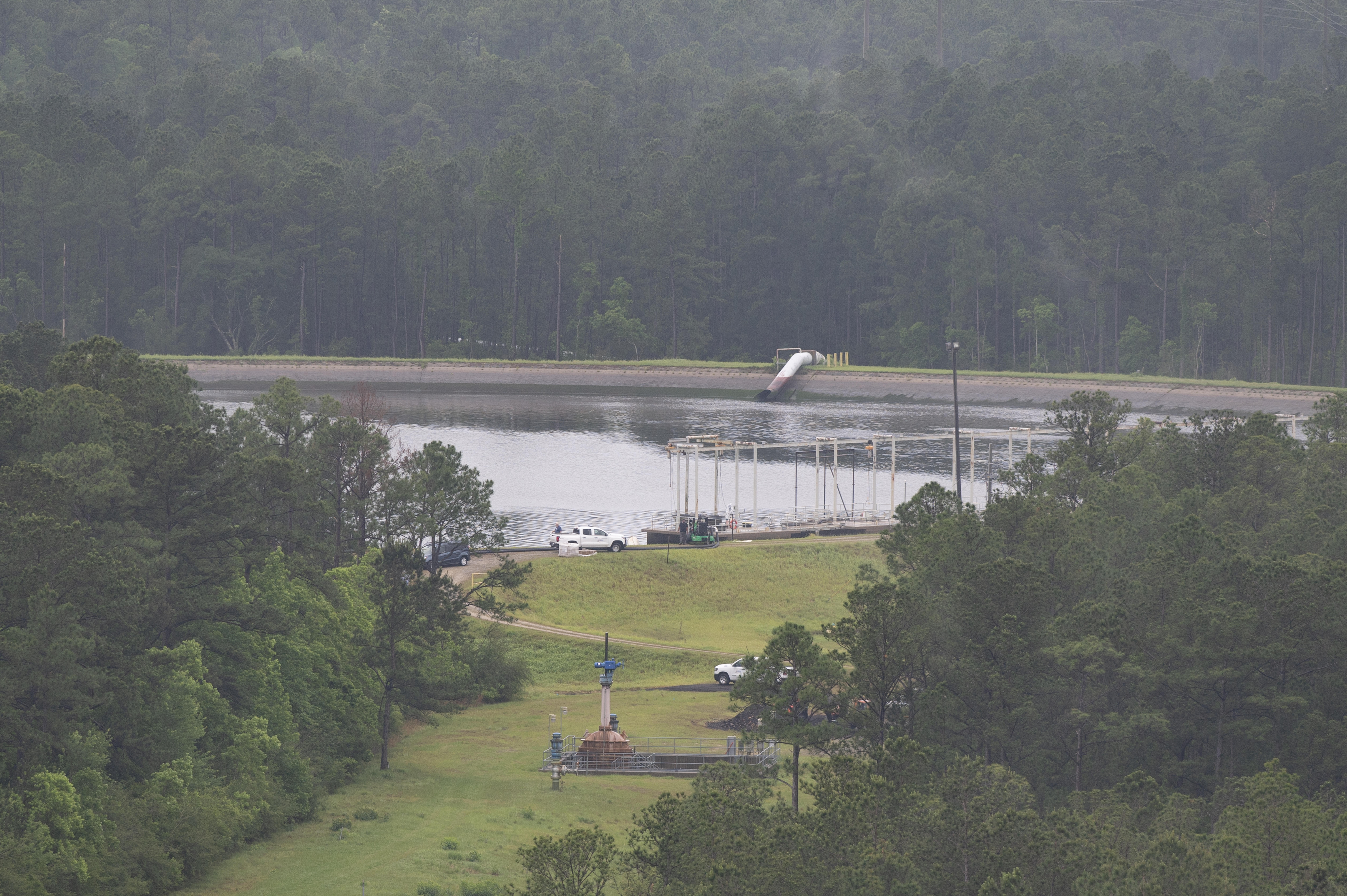
View from the Thad Cochran Test Stand showing the reservoir on May 7, still mostly full as work begins to remove water for upgrades.
A view from the Thad Cochran Test Stand at NASA’s Stennis Space Center on May 7 shows the High Pressure Industrial Water Facility’s 66-milion-gallon reservoir as work gets underway to remove about 40 million gallons of water to complete upgrades.
NASA/Danny Nowlin

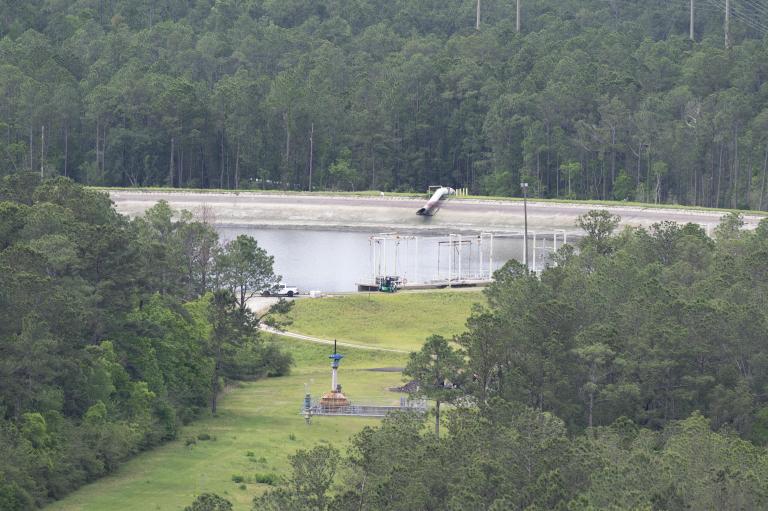
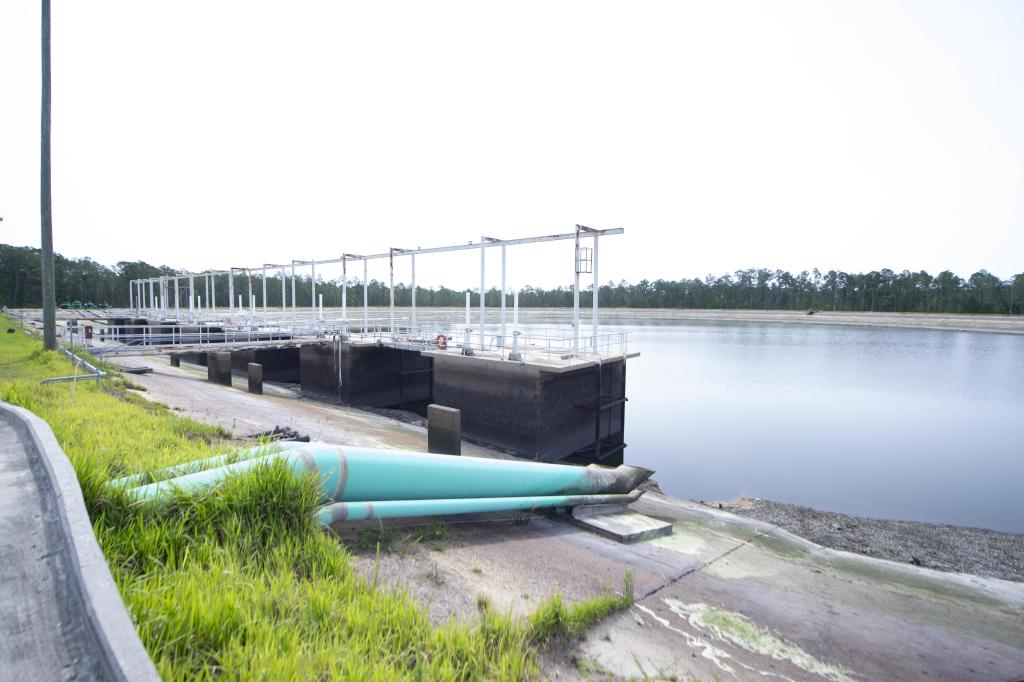
View from the Thad Cochran Test Stand on May 11 showing the reservoir at its lowest level since the 1960s after extensive water removal.
A view from the Thad Cochran Test Stand at NASA’s Stennis Space Center on May 11 shows the reservoir at its lowest level since construction in the 1960s. Crews lowered the reservoir by pumping out 40 million gallons over three days to complete upgrades.
NASA/Danny Nowlin

View from the Thad Cochran Test Stand showing the reservoir on May 7, still mostly full as work begins to remove water for upgrades.
A view from the Thad Cochran Test Stand at NASA’s Stennis Space Center on May 7 shows the High Pressure Industrial Water Facility’s 66-milion-gallon reservoir as work gets underway to remove about 40 million gallons of water to complete upgrades.
NASA/Danny Nowlin
View from the Thad Cochran Test Stand on May 11 showing the reservoir at its lowest level since the 1960s after extensive water removal.
A view from the Thad Cochran Test Stand at NASA’s Stennis Space Center on May 11 shows the reservoir at its lowest level since construction in the 1960s. Crews lowered the reservoir by pumping out 40 million gallons over three days to complete upgrades.
NASA/Danny Nowlin

before

after

Before and After

A View from the Thad Cochran Test Stand

May 7, 2026 – May 11, 2026


BEFORE (SSC-20260507-s00395) – A view from the Thad Cochran Test Stand at NASA’s Stennis Space Center on May 7 shows the High Pressure Industrial Water Facility’s 66-milion-gallon reservoir as work gets underway to remove about 40 million gallons of water to complete upgrades. AFTER (SSC-20260511-s00423) – A view from the Thad Cochran Test Stand at NASA’s Stennis Space Center on May 11 shows the reservoir at its lowest level since construction in the 1960s. Crews lowered the reservoir by pumping out 40 million gallons over three days to complete upgrades.

The water used during a test is recycled for future use as it flows back into the on-site canal system, before returning to the reservoir.

“The old pump that supported fire suppression for testing reached its end of life, so this project promotes reliability with the upgrade,” said Justin Lucas, NASA project manager.

In addition to a new pump, the piping has improved to a 14-inch-to-12-inch configuration.

Picture trying to drink water from a big cup using a tiny coffee stirrer. This is similar to how the previous pump relied on piping that narrowed from 14 inches down to 10 inches before reaching the pump. The water moved but required more work from the system.

“With the upgraded configuration, less velocity inside the pipe with the same amount of flow equals a longer lasting pipe, pump, and hardware,” said Lucas.
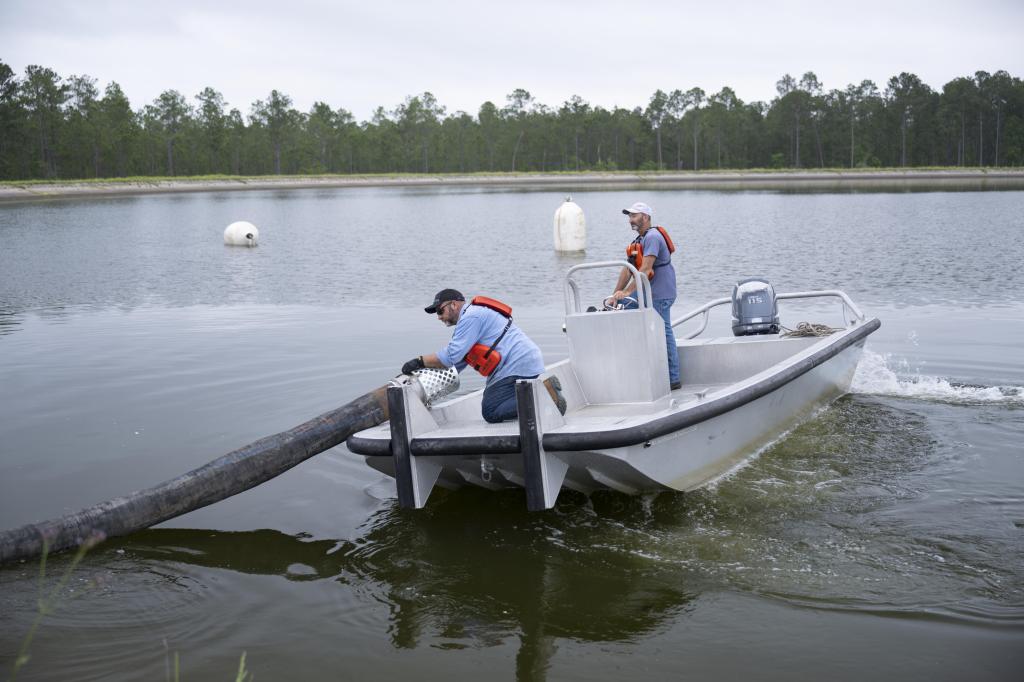
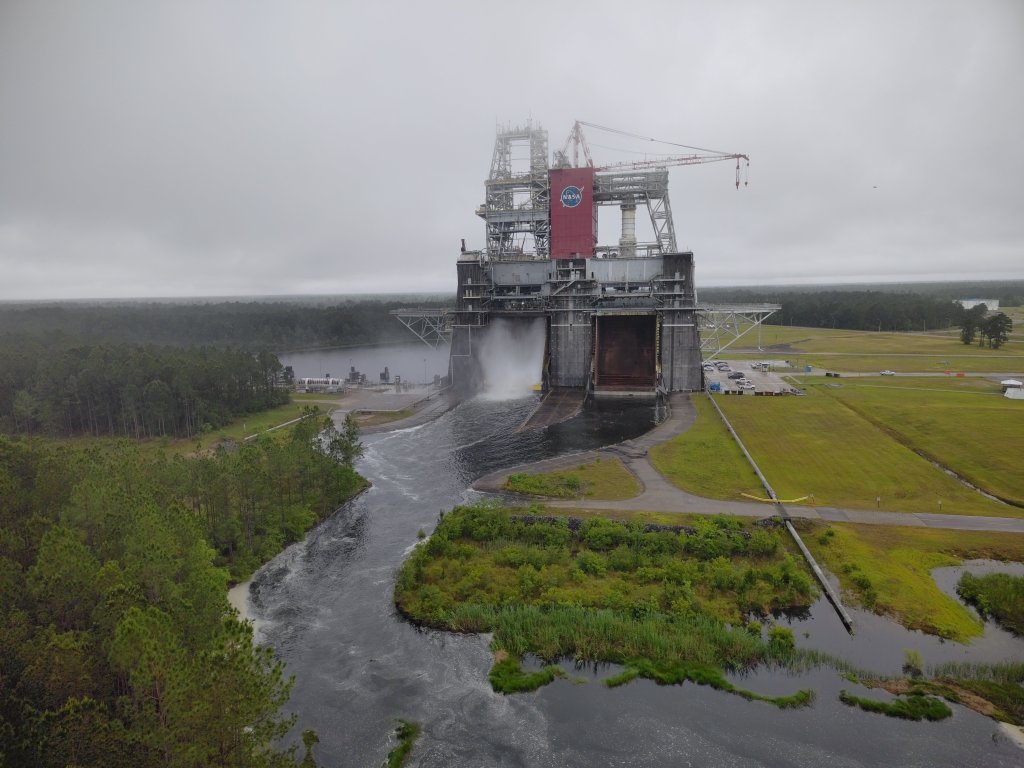
The water system upgrades have strengthened a vital system that supports NASA’s Artemis missions, along with commercial companies operating at NASA Stennis, home to America’s largest multiuser propulsion test site.

Share This Post

tango on perch

The Inn at Cocoa Beach
4300 Ocean Beach Blvd.
Cocoa Beach, FL 32931-3552
321 730 3110
reservations@theinnatcocoabeach.com

There is nothing to show here!
Slider with alias megamenu not found.

This website uses cookies to ensure you get the best experience on our website. Review our Privacy Policy to learn more or opt out.

Skip to content