Twin NASA Control Rooms Support Artemis Safety, Success
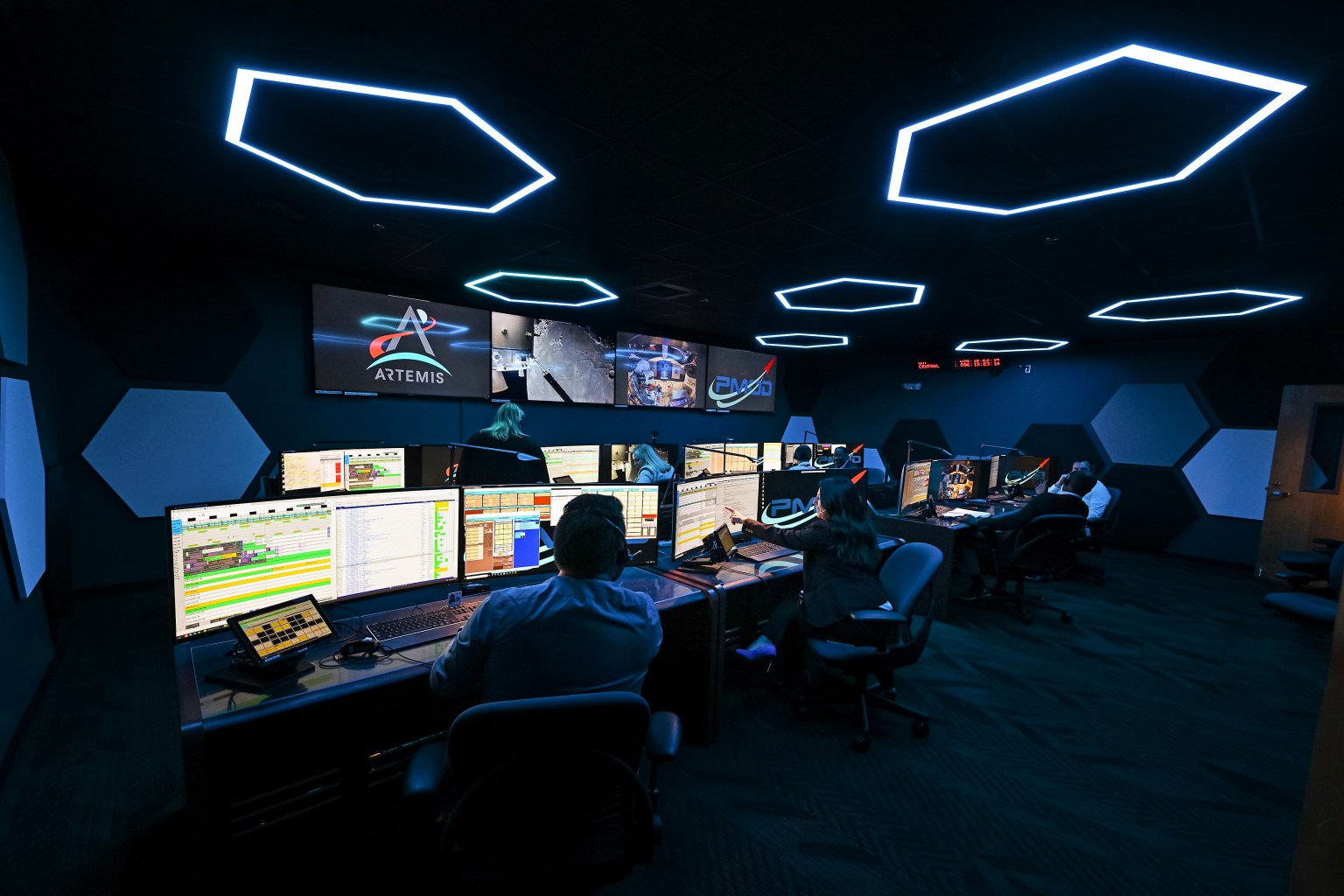
Twin control rooms at NASA’s Marshall Space Flight Center in Huntsville, Alabama, are actively supporting real-time mission operations in lunar orbit as part of the agency’s Artemis II mission, helping ensure astronaut safety and mission success as the crew prepares to return to Earth Friday, April 10.
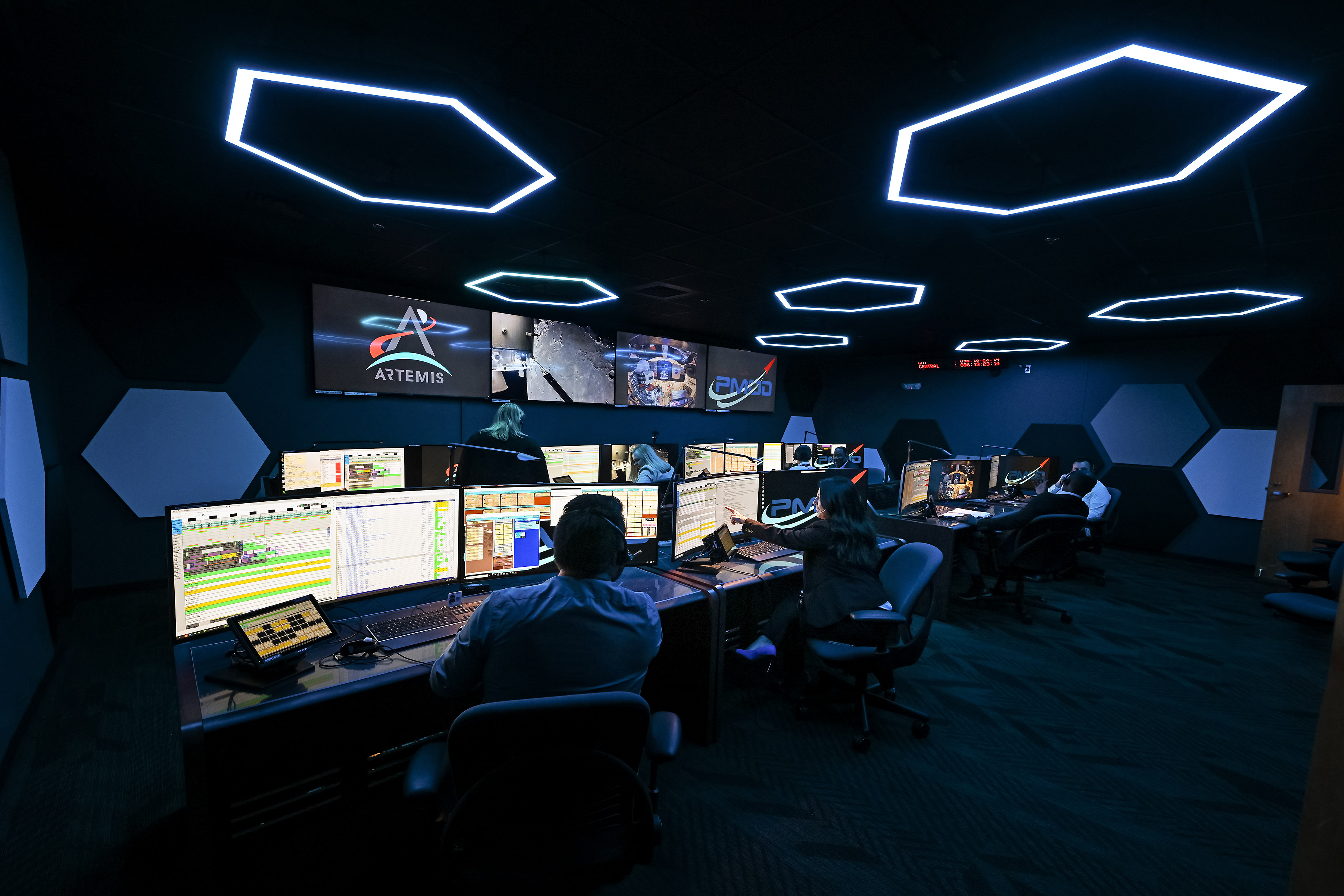
The LUCA (Lunar Utilization Control Area) and LESA (Lander Engineering Support Area) rooms are part of the Huntsville Operations Support Center at NASA Marshall. While the spaces look nearly identical, the two are more like fraternal twins in their focus areas: LUCA primarily supports Artemis science operations, while LESA will provide engineering support for landing astronauts on the Moon.
“The Huntsville Operations Support Center at NASA Marshall can be adapted to the needs of the agency’s missions, and LUCA and LESA are some of our newest configurable control rooms for the Artemis campaign,” said Harish Chandranath, Payload and Mission Operations Division Human Landing Systems project lead at Marshall. “In addition to supporting Artemis, our Huntsville Operations Support Center teams also support the Commercial Crew Program, the SLS (Space Launch System) rocket, and International Space Station science operations.”
Support center services include work to manage spacecraft command and telemetry, local and remote voice services for international connections, live and recorded video services, and a telescience resource kit – special software that makes sure two computers far apart can communicate without missing any information and without human help. All Huntsville Operations Support Center services can be tied into both the LUCA and LESA rooms, giving operators the capability to use data and communicate with scientists and experts around the world.
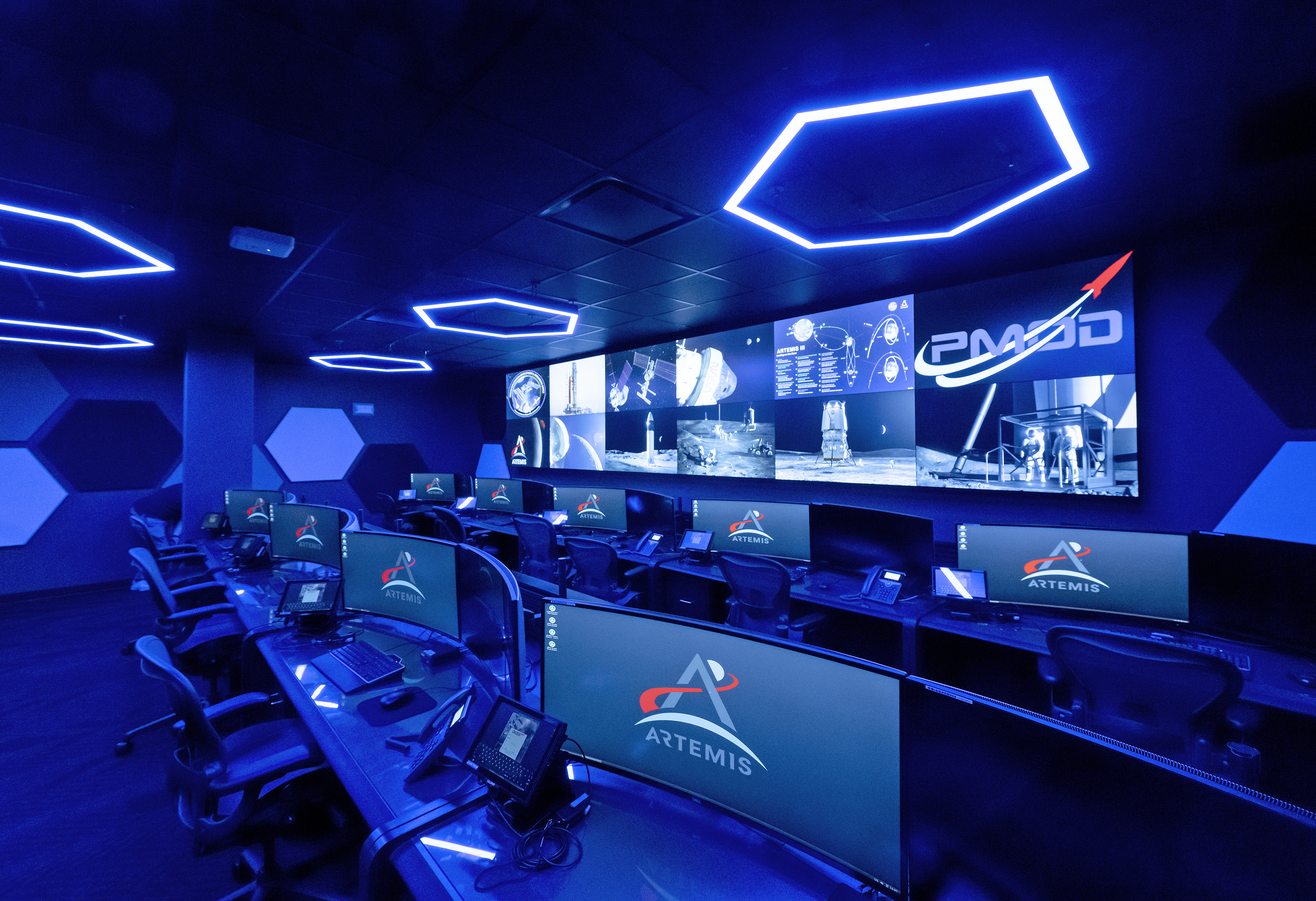
During Artemis II, teams in LUCA are supporting first-of-their-kind science operations designed to better understand the effects of deep space – such as microgravity and radiation – on crew physiology, immune response, and performance. The data gathered during the mission will inform future crewed flights to the Moon.
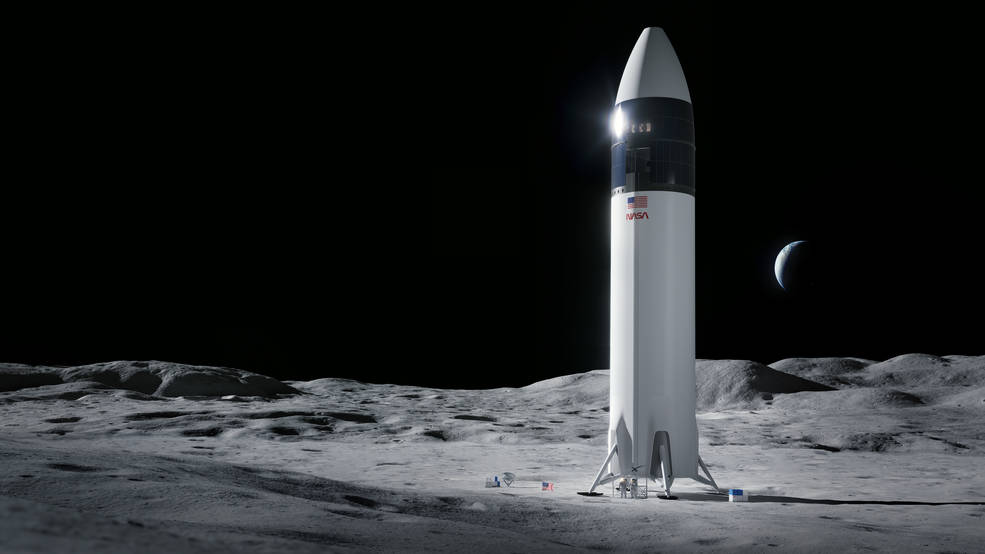
Meanwhile, teams in LESA are observing Artemis II mission operations in real time, which is a critical opportunity to refine processes and prepare for future crewed landings on the Moon’s surface. For Artemis missions, members of NASA’s Human Landing System Mission Insight Support Team – including engineers, safety leads, flight operations experts, and technical authorities – will operate from LESA to monitor lander systems and support key decision-making.
Through the Artemis program, NASA is returning humans to the Moon for scientific discovery, economic opportunity, and to build the foundation for the first crewed missions to Mars – for the benefit of all.
To learn more about the Artemis program, visit: